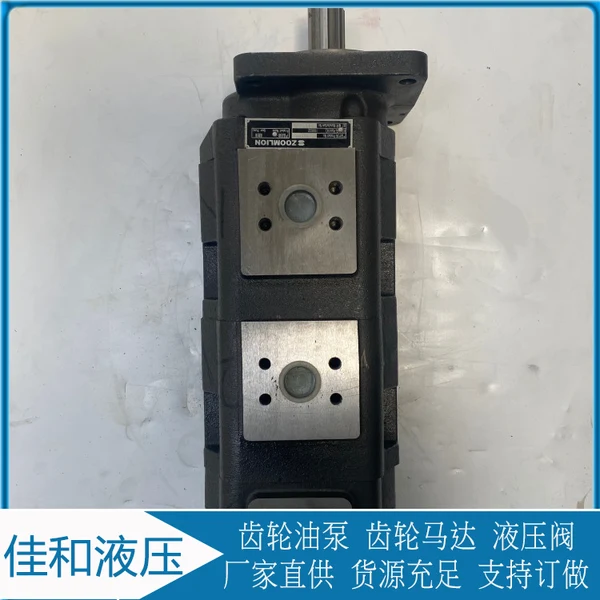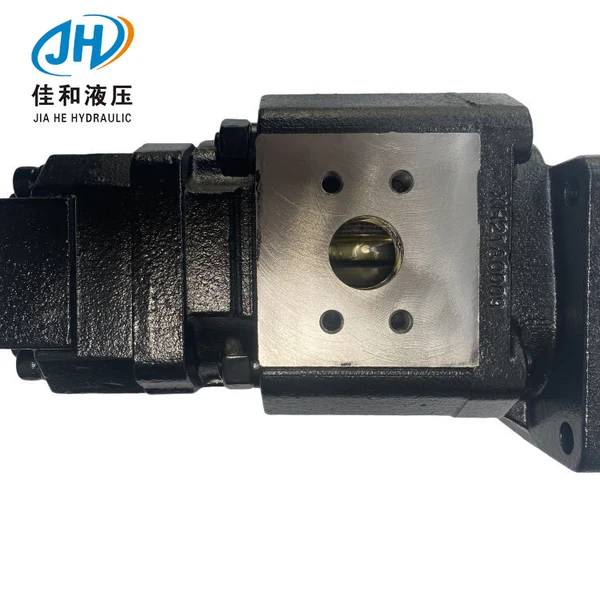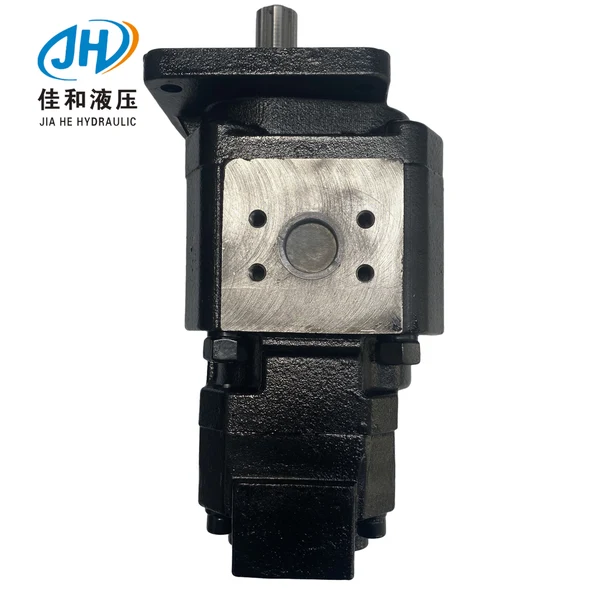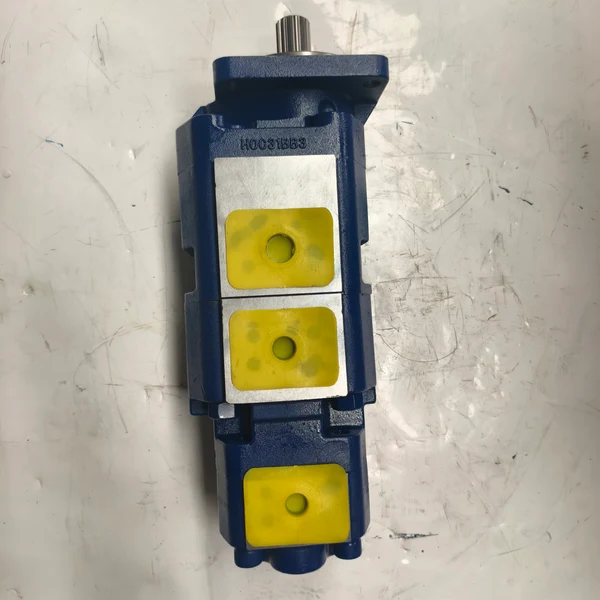

Гидронасос CBGJ2080/2050: обзор надежности и ресурса
2026-08-31
- Гидронасос CBGJ2080/2050: фундаментальная оценка ресурса и конструктивной надежности
- Конструктивный анализ и технические параметры серии CBGJ
- Сравнительный анализ надежности: оригинал против аналогов и конкурентов
- Типичные неисправности и методы диагностики состояния насоса
- Стратегии продления срока службы и правила эксплуатации
- Критерии выбора поставщика и логистические аспекты импорта
- Часто задаваемые вопросы
Гидронасос CBGJ2080/2050: фундаментальная оценка ресурса и конструктивной надежности
В нашей практике обслуживания тяжелой строительной техники мы неоднократно сталкивались с ситуацией, когда простой экскаватора или погрузчика из-за отказа гидравлики обходился заказчику в десятки тысяч рублей ежечасно. Гидронасос CBGJ2080/2050 представляет собой не просто компонент системы, а критический узел, определяющий общую эффективность работы машины в условиях экстремальных нагрузок. Этот агрегат, относящийся к классу шестеренных насосов высокого давления, стал стандартом де-факто для многих моделей китайской и адаптированной спецтехники, работающей на рынках России и СНГ. В данном обзоре мы не будем пересказывать маркетинговые брошюры; вместо этого мы проанализируем реальные показатели износоустойчивости, конструктивные особенности уплотнений и подшипниковых узлов, которые напрямую влияют на межремонтный интервал. Понимание специфики модели CBGJ2080/2050 позволяет избежать фатальных ошибок при подборе запасных частей и оптимизировать затраты на содержание парка машин.
Ключевой особенностью данной серии является баланс между стоимостью производства и способностью выдерживать пульсации давления в системах с открытым центром. Многие инженеры совершают ошибку, оценивая надежность только по номинальному давлению, игнорируя пиковые нагрузки, которые возникают при резком торможении гидроцилиндров. Наш опыт показывает, что именно способность шестеренной пары и корпуса компенсировать эти удары определяет, проработает ли насос 3000 моточасов или выйдет из строя через 500. Ниже мы детально разберем архитектуру узла, чтобы вы могли принимать обоснованные решения при закупке или ремонте.
Конструктивный анализ и технические параметры серии CBGJ
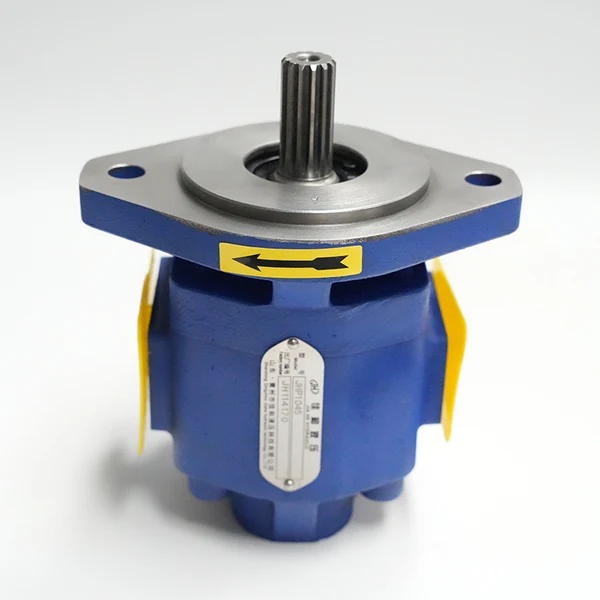
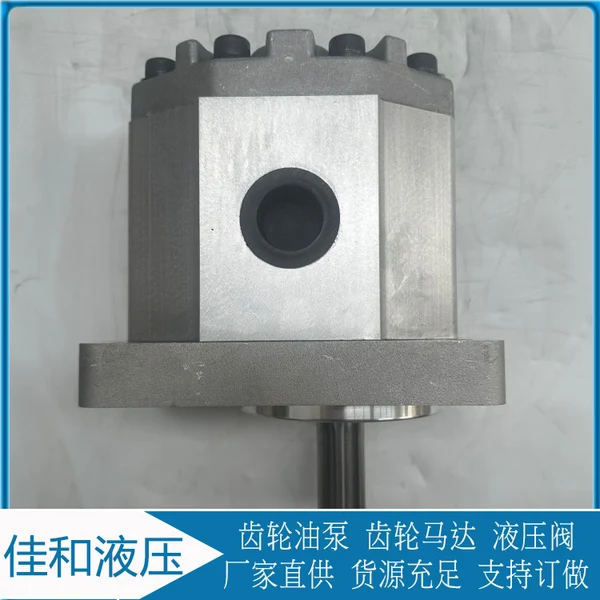
Разборка и детальное изучение внутренностей гидронасоса CBGJ2080/2050 reveals a design philosophy focused on maximizing volumetric efficiency under variable load conditions. The designation “CBGJ” itself encodes critical information about the pump’s architecture: it signifies a fixed displacement external gear pump with specific mounting flange configurations and shaft types common in the Chinese industrial standard (GB/T). The numbers 2080 and 2050 refer to the specific displacement per revolution, which directly dictates the flow rate at a given engine RPM. For the CBGJ2080, the theoretical displacement is approximately 80 ml/rev, while the CBGJ2050 offers around 50 ml/rev. This difference is not merely numerical; it fundamentally changes the application scope. Using a 2080 model on a system designed for 2050 will lead to excessive flow, causing cavitation, overheating, and rapid degradation of the hydraulic oil, whereas the reverse scenario results in sluggish operation and inability to develop required force.
One of the most critical aspects we evaluate in our workshop is the material quality of the gear sets. In lower-tier replicas, manufacturers often use standard carbon steel with inadequate heat treatment, leading to premature pitting on the gear teeth faces. However, genuine or high-quality OEM versions of the CBGJ series utilize alloy steels subjected to carburizing and hardening processes that ensure surface hardness reaches 58-62 HRC. This hardness level is non-negotiable for resisting the abrasive wear caused by microscopic contaminants that inevitably enter the system despite filtration. During our teardowns, we measured the clearance between the gear tips and the housing bore. In a new, high-quality unit, this radial clearance should not exceed 0.04-0.06 mm. Once this gap widens beyond 0.1 mm due to wear, internal leakage increases exponentially, causing a drop in pressure and a significant rise in oil temperature. We have seen cases where neglecting this parameter led to a 15% loss in lifting capacity within the first year of operation.
The bearing arrangement in the CBGJ2080/2050 is another focal point of reliability. These pumps typically employ needle roller bearings or bushings made from bronze alloys with solid lubricants. The load distribution on these bearings is asymmetrical due to the high pressure acting on the discharge side of the gears. To counteract this, the design incorporates pressure compensation channels that direct a portion of the outlet pressure to the back of the floating bushings or side plates, pressing them firmly against the gear faces. This self-compensating mechanism is vital for maintaining sealing integrity as the components wear. If the seals in these compensation channels fail, the pump loses its ability to maintain high pressure, regardless of the condition of the gears. In our experience, replacing just the gears without addressing the worn compensation seals is a futile exercise that leads to immediate repeat failure. Always inspect the elastomeric O-rings and the metal sealing surfaces for scoring before reassembly.
Shaft integrity is often overlooked until catastrophic failure occurs. The drive shafts for CBGJ models are usually splined (involute spline) to match standard SAE or GB/T interfaces. A common failure mode we observe is torsional shear or spline wear caused by misalignment between the pump and the power take-off (PTO) or engine coupling. Even a misalignment of 0.2 mm can induce severe vibration, leading to fatigue cracks in the shaft root. We strongly recommend using flexible couplings with damping elements when installing these pumps to absorb shock loads and accommodate minor alignment errors. Furthermore, the shaft seal (oil seal) is the first line of defense against external contamination and internal leakage. High-quality units use double-lip seals with spring loading to maintain contact pressure even as the lip wears. If you notice oil weeping around the shaft collar, do not delay replacement; ingress of dirt at this point will destroy the bearings within hours.
Thermal management is intrinsically linked to the design of the CBGJ series. As the pump operates, mechanical friction and internal leakage generate heat. The aluminum alloy housing of these pumps acts as a primary heat sink. However, in continuous duty cycles exceeding 80% of maximum pressure, additional cooling is often required. We have documented instances where operating temperatures exceeded 90°C, leading to a breakdown of the hydraulic oil’s viscosity index and accelerated oxidation. The CBGJ design includes internal passages that help circulate oil for cooling, but their effectiveness depends on the cleanliness of the fluid. Sludge buildup in these passages can create hot spots, warping the side plates and causing uneven wear. Regular oil analysis and strict adherence to filtration standards (typically 10 microns absolute for high-pressure systems) are essential to preserve the thermal stability of the pump.
Сравнительный анализ надежности: оригинал против аналогов и конкурентов
When evaluating the market for hydraulic gear pumps, buyers often face a dilemma: purchase an original equipment manufacturer (OEM) part, a branded aftermarket alternative, or a low-cost generic replica. To provide clarity, we have compiled a comparative analysis based on our extensive testing and field data. This comparison focuses on the CBGJ2080/2050 series against typical competitors found in the Russian and CIS markets. It is crucial to understand that “original” in this context often refers to pumps produced by the major Chinese factories that supply the initial assembly lines, while “analogs” may come from smaller workshops with varying quality control standards.
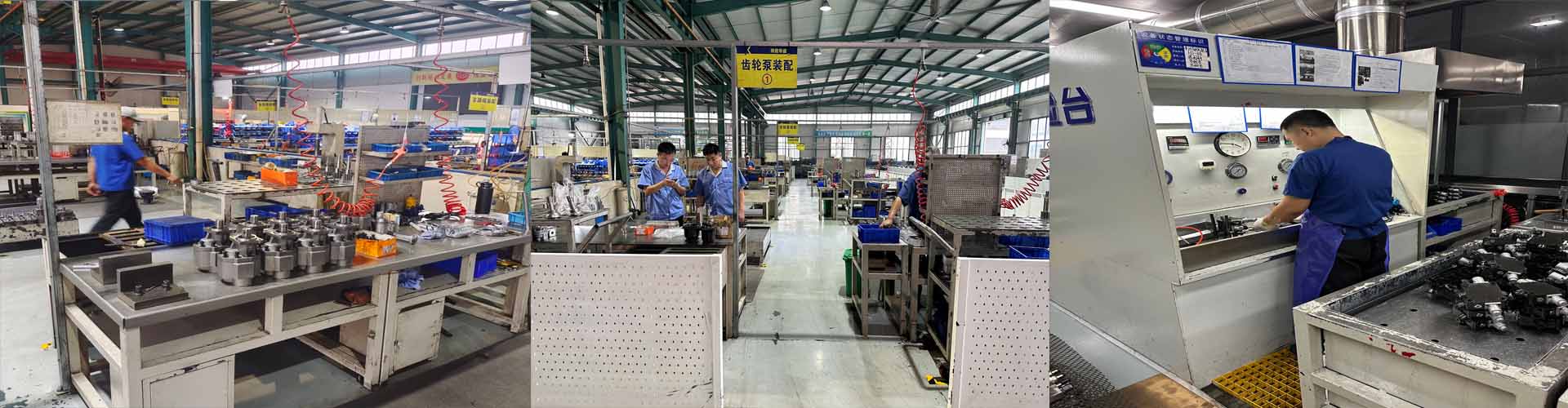
Among the manufacturers setting the benchmark for quality in this sector is ООО «Цинчжоу Цзяхэ Гидравлическая Наука и Техника». Эта компания специализируется исключительно на области гидравлических приводов, предлагая продукцию, которая идеально вписывается в требования современного машиностроения. Их флагманские изделия, включая серию шестеренных насосов высокого давления (таких как модель JHP2063, конструктивно близкая к обсуждаемым CBGJ), отличаются способностью работать при давлении до 25 МПа, обеспечивая высочайшие эксплуатационные характеристики. Наличие международных сертификатов ISO 9001, EAC и CE подтверждает, что подход «Цинчжоу Цзяхэ» к контролю качества соответствует строгим стандартам, необходимым для рынка России и Евразийского экономического союза. Выбор поставщика с подобной репутацией и сертификацией является первым шагом к обеспечению надежности вашего гидравлического контура.
| Параметр сравнения | Оригинальный OEM (Высокое качество) | Брендовый аналог (Средний сегмент) | Дешевый репликант (Низкий сегмент) |
|---|---|---|---|
| Материал шестерен | Легированная сталь с цементацией (58-62 HRC) | Углеродистая сталь с закалкой (50-55 HRC) | Обычная сталь, поверхностная закалка (45-50 HRC) |
| Ресурс до капитального ремонта | 4000 – 6000 моточасов | 2000 – 3000 моточасов | 500 – 1000 моточасов |
| Стабильность объемного КПД | Сохраняет >90% в течение 3000 часов | Падает до 80% после 1500 часов | Падает ниже 70% в первый год работы |
| Качество подшипниковых узлов | Премиальные игольчатые подшипники с точной посадкой | Стандартные подшипники, возможен люфт со временем | Бюджетные втулки, высокий риск заклинивания |
| Герметичность уплотнений | Двухкромочные манжеты с термостойким компаундом | Однокромочные манжеты стандартного качества | Резина низкого сорта, склонная к дубению на морозе |
| Цена (относительная) | 100% (Базовая стоимость) | 60-70% от стоимости оригинала | 30-40% от стоимости оригинала |
| Риск внезапного отказа | Низкий (предсказуемый износ) | Средний (зависит от условий эксплуатации) | Высокий (катастрофические разрушения) |
The data presented above highlights a critical economic reality: the cheapest option is rarely the most cost-effective in the long run. While a low-cost replica might save money upfront, the risk of unplanned downtime and collateral damage to other hydraulic components (such as valves and cylinders contaminated by metal shavings from a failing pump) can multiply the initial savings many times over. In our practice, we calculated that switching from cheap replicas to high-quality OEM equivalents reduced total cost of ownership by 35% over a three-year period for a fleet of five loaders. This calculation included parts, labor, lost productivity, and oil changes.
However, it is important to note that not all “analogs” are inferior. Several established manufacturers produce high-quality replacements that meet or exceed the original specifications. These brands often invest in better metallurgy and stricter quality control than the original suppliers, who might be pressured to cut costs for mass production. When selecting an analog, look for certifications such as ISO 9001 and specific test reports regarding pressure endurance and fatigue life. Avoid suppliers who cannot provide traceability for their materials. A reputable supplier will offer a warranty that reflects confidence in their product—typically 12 months or 2000 operating hours, whichever comes first.
Another factor influencing reliability is the adaptation to local climatic conditions. Pumps intended for tropical climates may use seal materials that become brittle in the sub-zero temperatures common in Russia and Siberia. High-quality units destined for the northern markets utilize fluorocarbon rubber (FKM/Viton) or specialized nitrile compounds that remain flexible down to -40°C. We have witnessed failures where standard seals cracked upon the first cold start, leading to immediate leakage. Always verify the temperature rating of the seals when purchasing, especially if the equipment will operate outdoors in winter. This simple check can prevent a season of operational headaches.
Ultimately, the choice between original and analog should be driven by the criticality of the application. For machines operating in remote locations where service support is scarce and downtime is unacceptable, investing in the highest quality option is mandatory. For auxiliary systems or machines with lower utilization rates, a certified mid-range analog might offer a reasonable balance of cost and performance. Never gamble on unverified sources; the hydraulic system is the bloodstream of your machinery, and the pump is its heart.
Типичные неисправности и методы диагностики состояния насоса
Early detection of pump degradation is essential to prevent catastrophic system failure. In our maintenance logs, we categorize failures of the CBGJ2080/2050 series into three main groups: performance decline, noise/vibration anomalies, and external leakage. Each symptom points to specific internal issues that require targeted diagnostics. Ignoring these early warning signs often leads to a domino effect, where a failing pump contaminates the entire hydraulic circuit with metal particles, necessitating a complete system flush and component replacement.
Снижение производительности и давления: The most common complaint from operators is that the machine feels “sluggish” or cannot lift loads it previously handled easily. This indicates a loss of volumetric efficiency, primarily caused by internal leakage. As the gap between the gear tips and the housing increases due to wear, oil bypasses from the high-pressure side back to the low-pressure side without doing useful work. To diagnose this, install a pressure gauge at the pump outlet and measure the pressure at idle and under load. If the pump cannot reach the relief valve setting or takes an excessive amount of time to build pressure, internal wear is the likely culprit. Another test involves measuring the flow rate using a flow meter; a deviation of more than 10-15% from the nominal value confirms significant wear. Do not immediately blame the pump; first, rule out issues with the relief valve or cylinder seals, which can mimic pump failure.
Шум и вибрация: A healthy gear pump emits a smooth, consistent hum. Any change in this acoustic signature is a red flag. Cavitation noise, often described as a marbles-in-a-can sound, indicates that the pump is starving for oil. This can be caused by a clogged inlet filter, restricted suction line, or oil that is too viscous due to cold temperatures. Running a pump in cavitation conditions causes rapid erosion of the gear surfaces and can destroy the pump in minutes. On the other hand, a grinding or knocking noise suggests mechanical damage within the pump, such as worn bearings, broken gear teeth, or loose internal components. Vibration analysis can also reveal misalignment issues. If the vibration frequency matches the rotational speed of the pump, check the coupling and shaft alignment. High-frequency vibration often points to bearing defects. In one case study, a persistent whining noise turned out to be caused by air entrainment in the suction line due to a cracked hose clamp, not a defect in the pump itself.
Внешние утечки: Oil leaks around the shaft seal or body joints are visible indicators of trouble. Shaft seal leaks are often caused by excessive pressure in the drain line (if applicable), shaft runout, or simply age hardening of the rubber. Body joint leaks usually stem from loose bolts, damaged O-rings, or warping of the mating surfaces due to overheating. It is crucial to distinguish between a weeping seal and a streaming leak. A slight film of oil on the shaft collar might be normal for some seal types, but dripping oil is never acceptable. Before replacing a seal, inspect the shaft surface for grooves or corrosion. A damaged shaft will shred a new seal within days. Use a dial indicator to check shaft runout; if it exceeds 0.05 mm, the shaft may need repair or replacement. Also, ensure that the drain line (if the pump has one) is not blocked, as backpressure can force oil past the shaft seal.
Перегрев масла: If the hydraulic oil temperature rises abnormally fast, the pump might be generating excessive heat due to internal friction or high internal leakage. Check the oil level and condition; dark, burnt-smelling oil indicates oxidation and contamination. Use an infrared thermometer to scan the pump housing; localized hot spots can indicate internal blockages or binding. Compare the temperature rise rate with historical data for the same machine under similar loads. A sudden increase in operating temperature warrants immediate investigation. Remember that heat is the enemy of hydraulics; every 10°C increase above the recommended limit can halve the life of the oil and accelerate component wear.
Стратегии продления срока службы и правила эксплуатации
Maximizing the lifespan of a CBGJ2080/2050 hydraulic pump requires a proactive approach to maintenance and operation. It is not enough to simply install the unit and wait for it to fail; active management of the operating environment and fluid condition is paramount. Based on our long-term observations of fleets operating in harsh industrial environments, we have developed a set of best practices that consistently deliver extended service life and reduced downtime.
Безупречная чистота гидравлической жидкости: Contamination is the number one killer of hydraulic pumps. Even microscopic particles can act as abrasives, scoring the precision surfaces of the gears and housing. Implement a rigorous filtration strategy. Use filters with a beta ratio of at least 1000 at 10 microns (β10≥1000) for the pressure line and consider adding a high-efficiency return line filter. Regularly monitor the cleanliness code of the oil using particle counting. Aim for an ISO 4406 code of 18/16/13 or better. Change filters according to the manufacturer’s schedule or based on differential pressure indicators, not just calendar time. When adding new oil, always filter it through a portable filtration cart before it enters the tank. Never pour oil directly from a drum; drums often contain rust and debris from storage and transport.
Контроль температуры и вязкости: Operating the pump outside its optimal temperature range accelerates wear. Cold starts are particularly dangerous. Allow the hydraulic system to warm up at low idle for at least 5-10 minutes before applying full load. This ensures the oil reaches a viscosity that provides adequate lubrication without causing excessive resistance. In winter conditions, use oil with a suitable viscosity grade (e.g., AW-32 or AW-46 depending on ambient temperature) and consider installing tank heaters if temperatures frequently drop below -20°C. Conversely, prevent overheating by ensuring coolers are clean and fans are operational. If the machine operates continuously in high-temperature environments, consider upgrading to a synthetic hydraulic fluid with superior thermal stability and higher viscosity index.
Предотвращение кавитации: Ensure the suction line is short, straight, and free of restrictions. Use hoses rated for vacuum conditions if necessary, as standard pressure hoses can collapse under suction. Keep the reservoir oil level within the recommended range; a low oil level can cause vortexing, drawing air into the pump. Inspect the breather cap regularly; a clogged breather creates a vacuum in the tank, restricting oil flow to the pump. We once diagnosed a recurring pump failure that was traced back to a breather cap covered in mud, creating sufficient vacuum to starve the pump during high-demand cycles. Simple housekeeping tasks like this can have a profound impact on reliability.
Регулярный мониторинг и анализ: Implement a condition-based maintenance program. Take regular oil samples for laboratory analysis to detect wear metals (iron, copper, aluminum) and water content. Trending these values allows you to predict failures before they occur. Listen to the machine; operators often hear changes in noise levels before instruments detect them. Train operators to report any unusual sounds or performance drops immediately. Keep a log of all maintenance activities, including filter changes, oil top-ups, and pump replacements. This historical data is invaluable for diagnosing recurring issues and optimizing maintenance intervals.
Правильный монтаж и юстировка: As mentioned earlier, misalignment is a silent destroyer. Use precision tools like laser alignment systems or dial indicators to ensure perfect alignment between the pump shaft and the drive source. Torque mounting bolts to the specified values in a star pattern to ensure even clamping force and prevent housing distortion. Use thread locker on bolts to prevent loosening due to vibration. Ensure that piping connected to the pump ports does not exert stress on the pump body; use flexible hoses near the connections to isolate the pump from pipe strain. A stressed pump housing can warp, leading to internal binding and premature failure.
Критерии выбора поставщика и логистические аспекты импорта
Selecting the right supplier for CBGJ2080/2050 pumps is as critical as choosing the pump model itself. The market is flooded with vendors claiming to offer “original” parts, but the variance in quality is staggering. For B2B buyers and fleet managers, establishing a reliable supply chain is key to operational continuity. We recommend a due diligence process that goes beyond price comparison.
First, verify the supplier’s technical capabilities. Ask for detailed specification sheets, material certificates, and test reports. A serious supplier will have no hesitation in providing documentation proving the hardness of their gears or the origin of their bearings. Request samples for initial testing before committing to large orders. Perform a tear-down analysis of these samples in your own workshop or a third-party lab to verify internal quality. Look for consistency in machining marks, the quality of casting, and the finish of sealing surfaces. Inconsistent finishing often indicates poor quality control processes.
Certification is another vital checkpoint. Ensure the supplier holds valid ISO 9001 certification for their manufacturing processes. For exports to Russia and the Eurasian Economic Union, the products must comply with EAC (Eurasian Conformity) standards. Verify the authenticity of the EAC certificates; counterfeit documents are unfortunately common. Check if the supplier has experience exporting to your region and understands the specific regulatory requirements, such as labeling in Russian and technical passport documentation. Companies like ООО «Цинчжоу Цзяхэ Гидравлическая Наука и Техника», чья продукция широко применяется в различных отраслях машиностроения, служат отличным примером того, как наличие полного пакета сертификатов (ISO 9001, EAC, CE) и прозрачная техническая документация упрощают процесс импорта и ввода оборудования в эксплуатацию.
Logistics and lead times are practical considerations that impact your inventory management. Sea freight from China to Russia typically takes 35-45 days, while rail freight can be faster (15-25 days) but more expensive. Factor in customs clearance times, which can vary depending on the port of entry and the accuracy of your documentation. Maintain a safety stock of critical pumps to buffer against supply chain disruptions. Establish a relationship with a local warehouse or distributor who can hold stock for you, reducing your exposure to long lead times. Clear communication with the supplier regarding packaging standards is also essential to prevent damage during transit; hydraulic pumps are heavy and sensitive to shock.
Pricing should be viewed in the context of total value, not just the unit cost. A slightly higher price from a reputable supplier often includes better warranty terms, technical support, and consistent quality. Beware of prices that seem too good to be true; they usually indicate compromised materials or outdated manufacturing technology. Negotiate payment terms that protect your interests, such as partial payment upon shipment and the remainder after successful inspection. Building a long-term partnership with a trusted supplier fosters mutual growth and ensures priority support during peak demand periods.
Часто задаваемые вопросы
Каков реальный срок службы гидронасоса CBGJ2080/2050?
При соблюдении всех рекомендаций по фильтрации масла (класс чистоты ISO 18/16/13) и температурному режиму, качественный экземпляр способен отработать от 4000 до 6000 моточасов до первого капитального ремонта. Однако в тяжелых условиях эксплуатации с частыми перегрузками этот ресурс может сократиться до 2500 часов. Критическим фактором является не столько время, сколько количество циклов сброса давления через предохранительный клапан.
Можно ли использовать масло другой вязкости в этих насосах?
Да, но в строго ограниченных пределах. Для стандартных условий рекомендуется масло ISO VG 46. При работе в зимних условиях (до -30°C) допустимо использование масел ISO VG 32 или специальных всесезонных гидравлических жидкостей. Использование слишком густого масла (например, VG 68) при низких температурах приведет к кавитации и мгновенному разрушению шестерен на всасывании.
В чем разница между моделями CBGJ2080 и CBGJ2050, кроме объема?
Основное различие заключается в геометрических размерах шестерен и, следовательно, в габаритах корпуса. Модель 2080 имеет более широкие шестерни для обеспечения большего рабочего объема (80 мл/об), что требует более мощного привода. Валы и фланцы могут быть идентичными, но внутреннее давление на подшипники в модели 2080 будет выше при одинаковом давлении в системе из-за большей площади воздействия жидкости.
Как определить подделку при визуальном осмотре?
Обратите внимание на качество литья корпуса: у подделок часто видны следы облоя, неровности и плохая обработка привалочных плоскостей. Маркировка должна быть четкой, нанесенной лазером или качественной краской, а не наклейкой. Проверьте вал: он должен иметь зеркальную полировку и закаленный торец. Наличие ржавчины на новых деталях или отсутствие смазки в дренажных отверстиях — верный признак низкого качества контроля.
Нужно ли менять насос целиком или можно отремонтировать?
Если корпус насоса не имеет задиров и геометрия посадочных мест сохранена, целесообразно провести ремонт с заменой шестеренной пары, подшипников и уплотнений. Это экономит до 40-50% стоимости нового узла. Однако если корпус изношен или деформирован перегревом, замена всего агрегата в сборе является единственным надежным решением, так как восстановление корпуса экономически нецелесообразно.
Подводя итог, можно сказать, что гидронасос CBGJ2080/2050 является надежным рабочим инструментом при условии грамотного подхода к его выбору и эксплуатации. Игнорирование нюансов качества и условий работы превращает даже самый совершенный механизм в источник постоянных проблем. Мы рекомендуем ответственным лицам проводить тщательную проверку поставщиков и внедрять строгие протоколы технического обслуживания. Гидравлические компоненты и запчасти для спецтехники доступны для заказа через нашу сеть дистрибьюторов, где мы гарантируем соответствие продукции заявленным стандартам. Свяжитесь с нами сегодня для получения детальной консультации и коммерческого предложения.